Promotor
dr hab. inż. arch. Patrycja Haupt, prof. PK
Recenzent
prof. dr hab. inż. arch. Dominika Kuśnierz-Krupa
Tytuł pracy
Architecture of Aging: A Supportive Living Environment for the Elderly
Jednostka dyplomująca
Katedra Kształtowania Środowiska Mieszkaniowego A-3
Opis
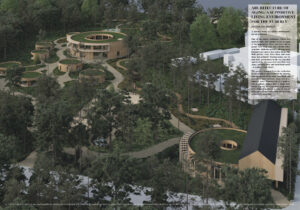
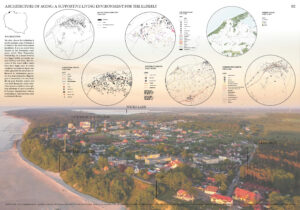
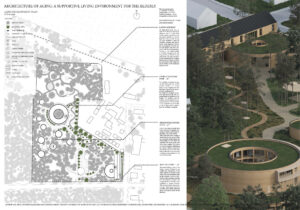
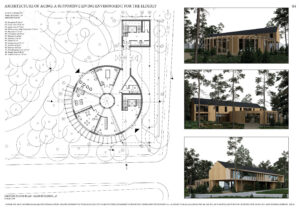
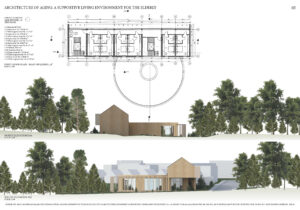
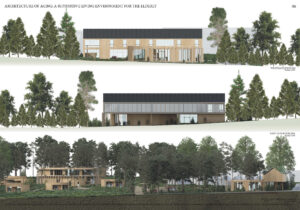
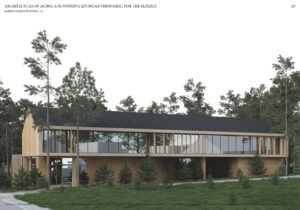
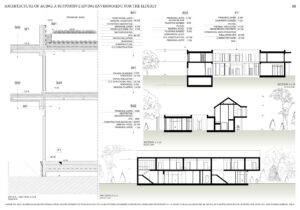
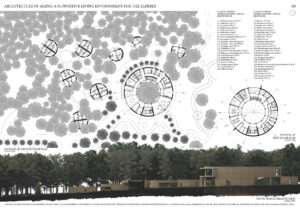
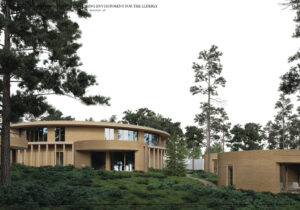
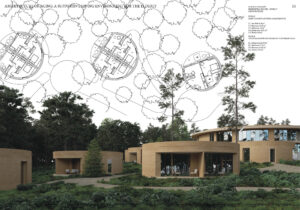
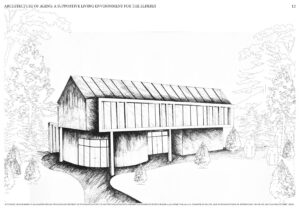
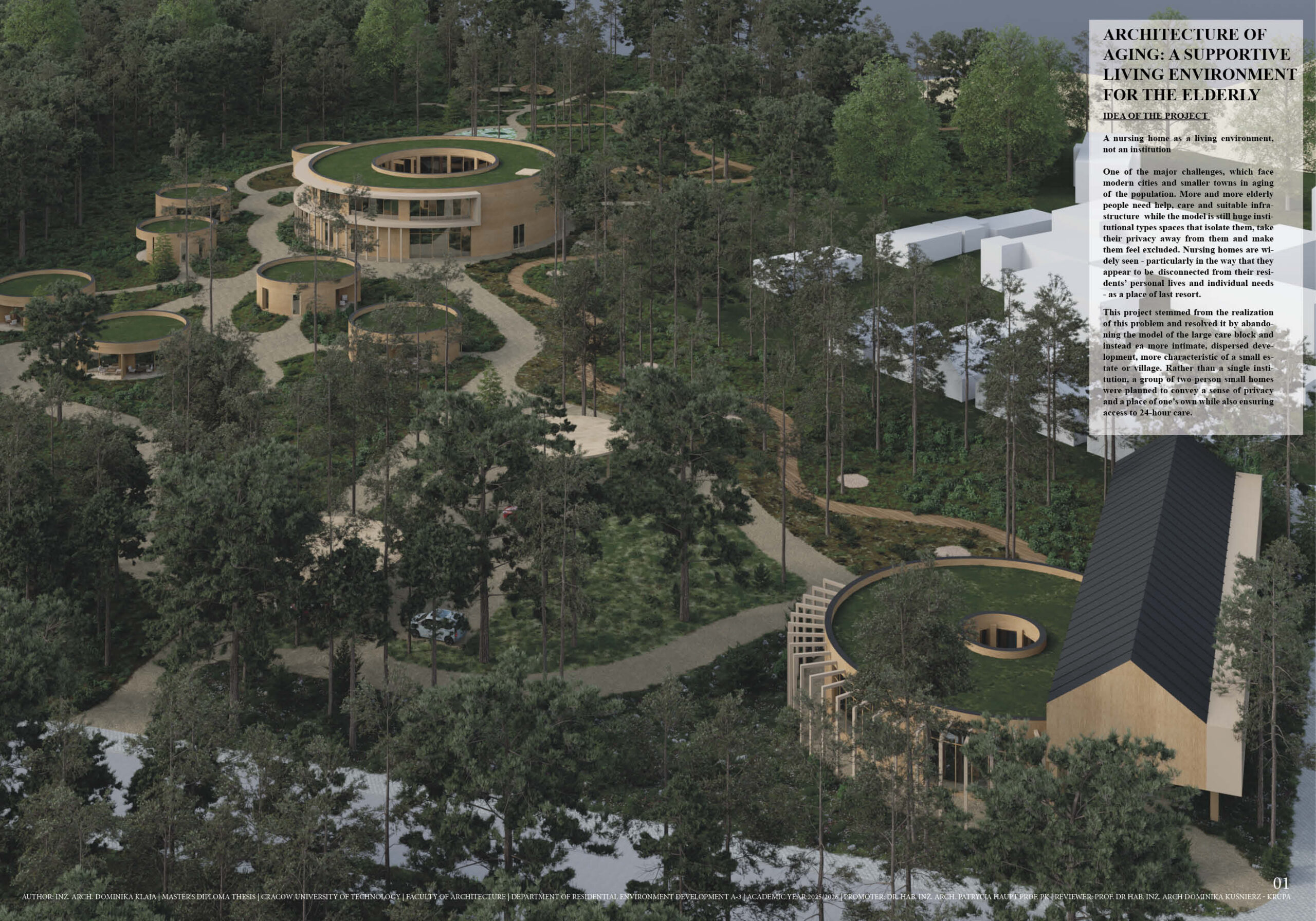
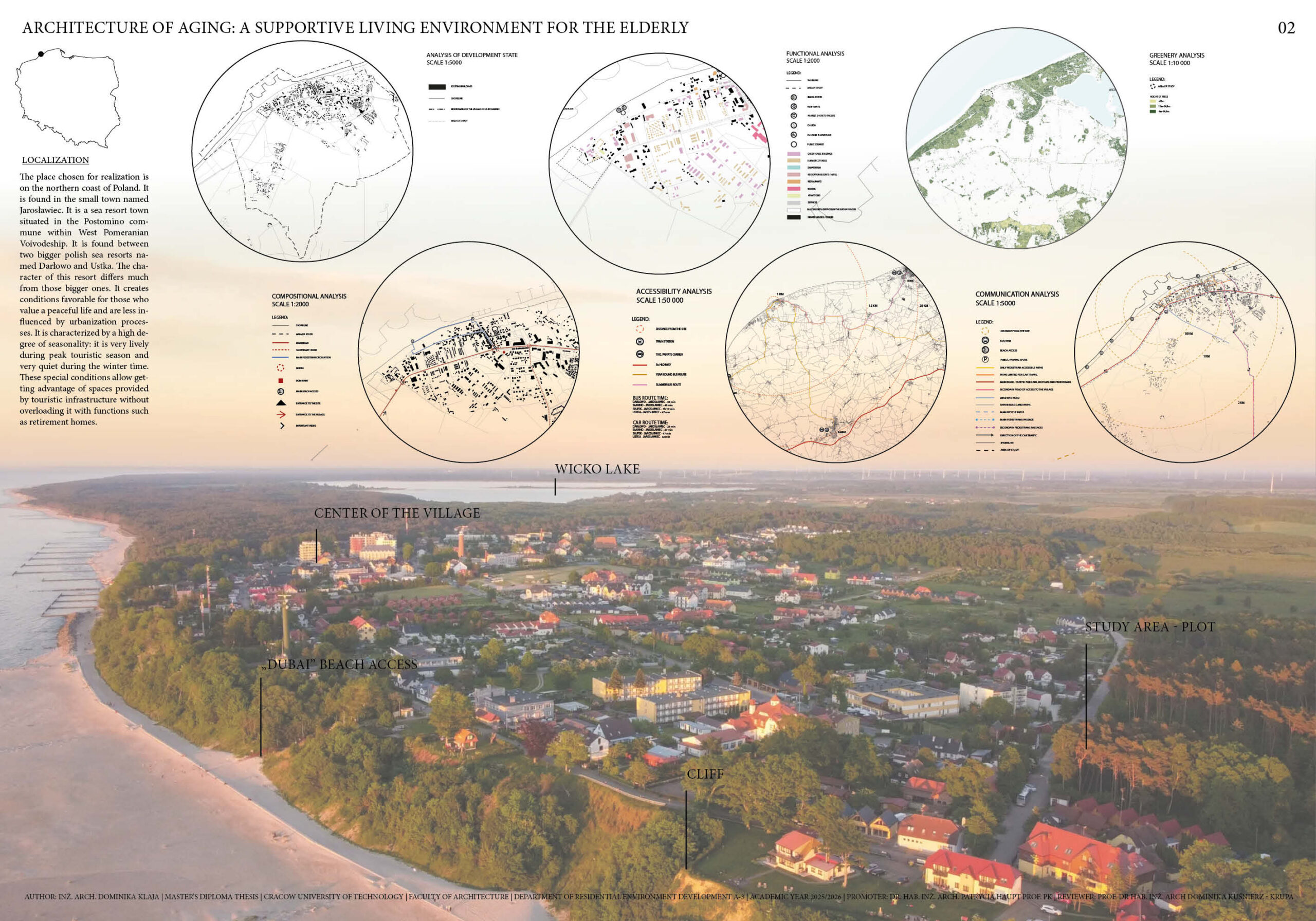
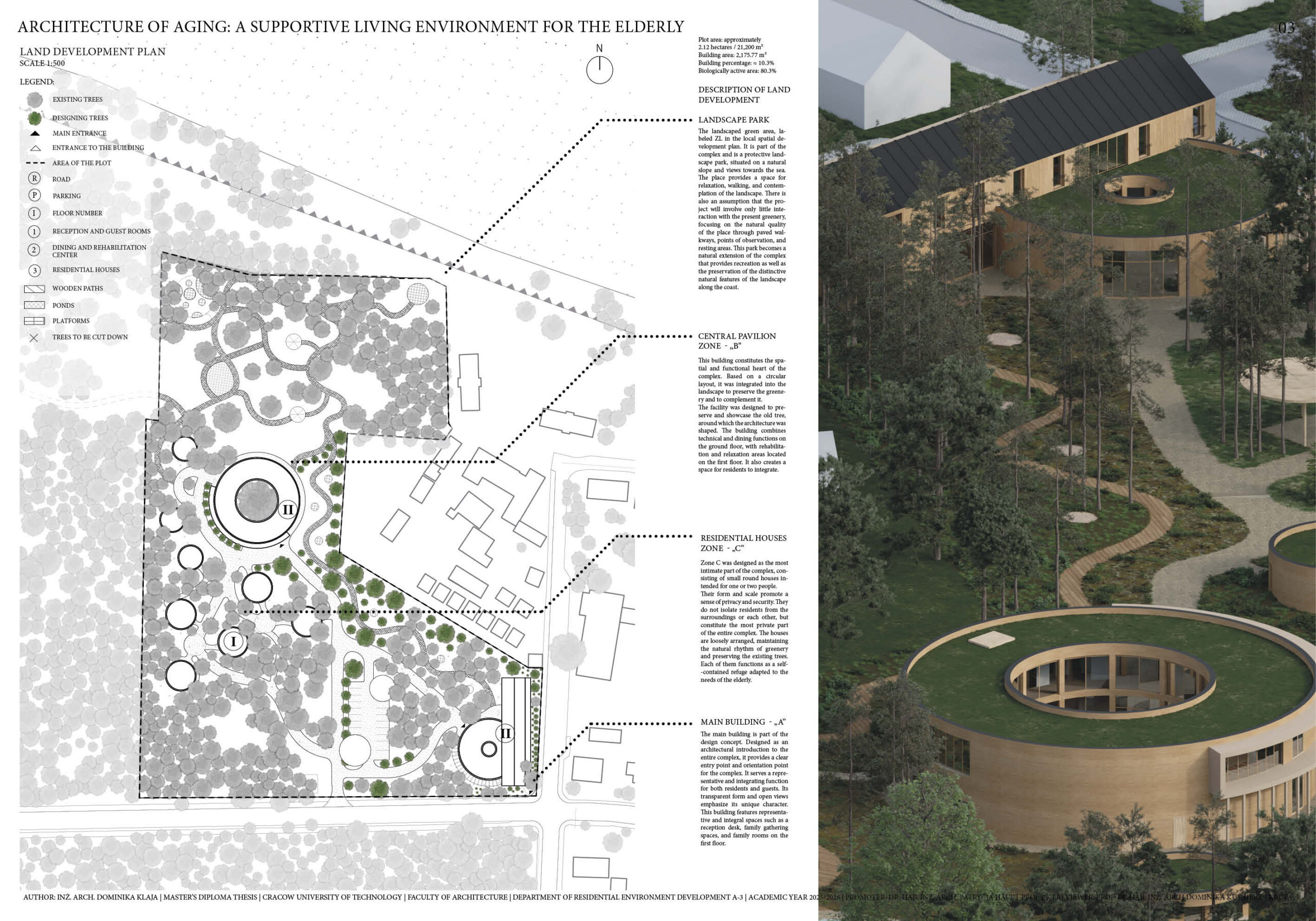
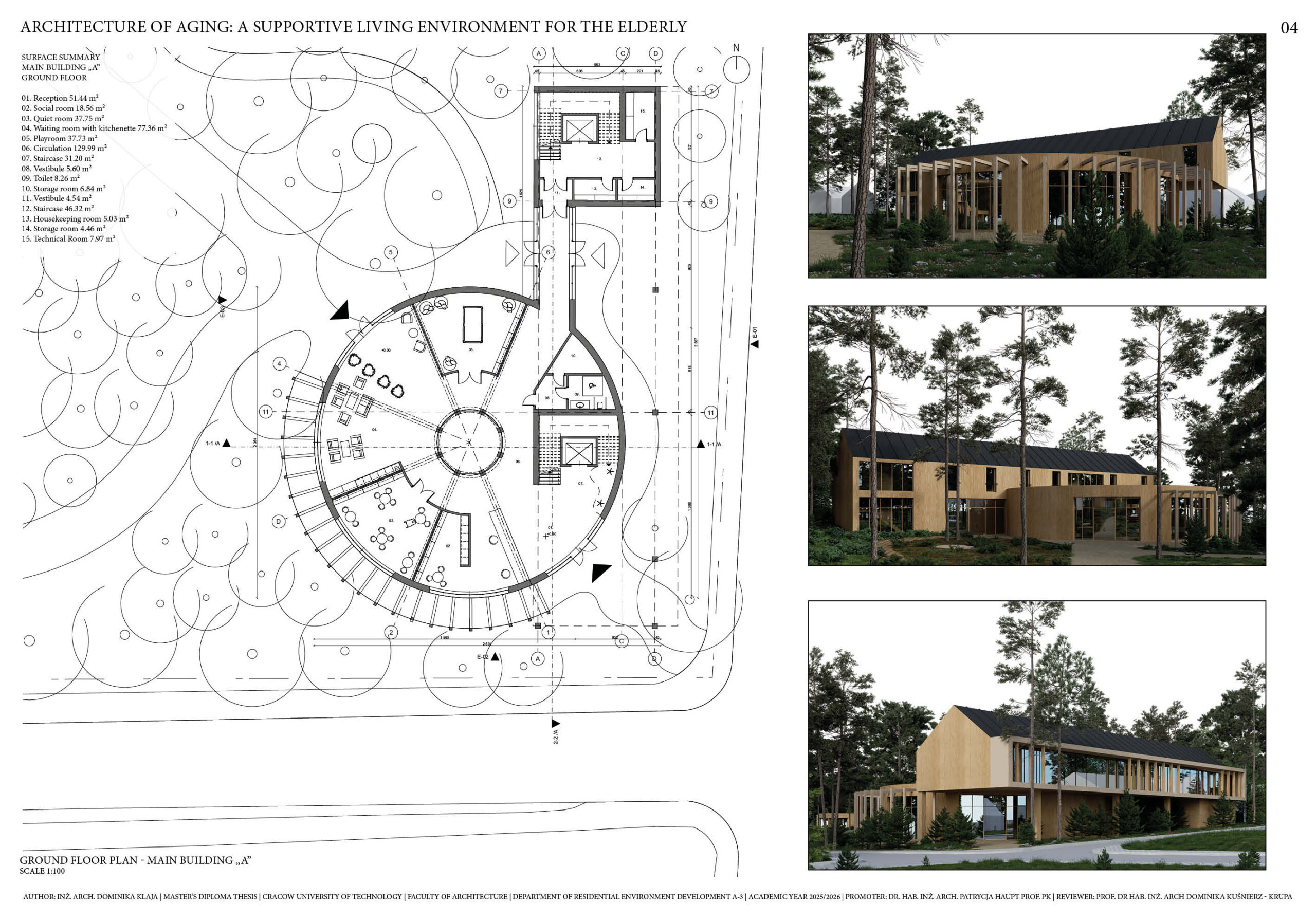
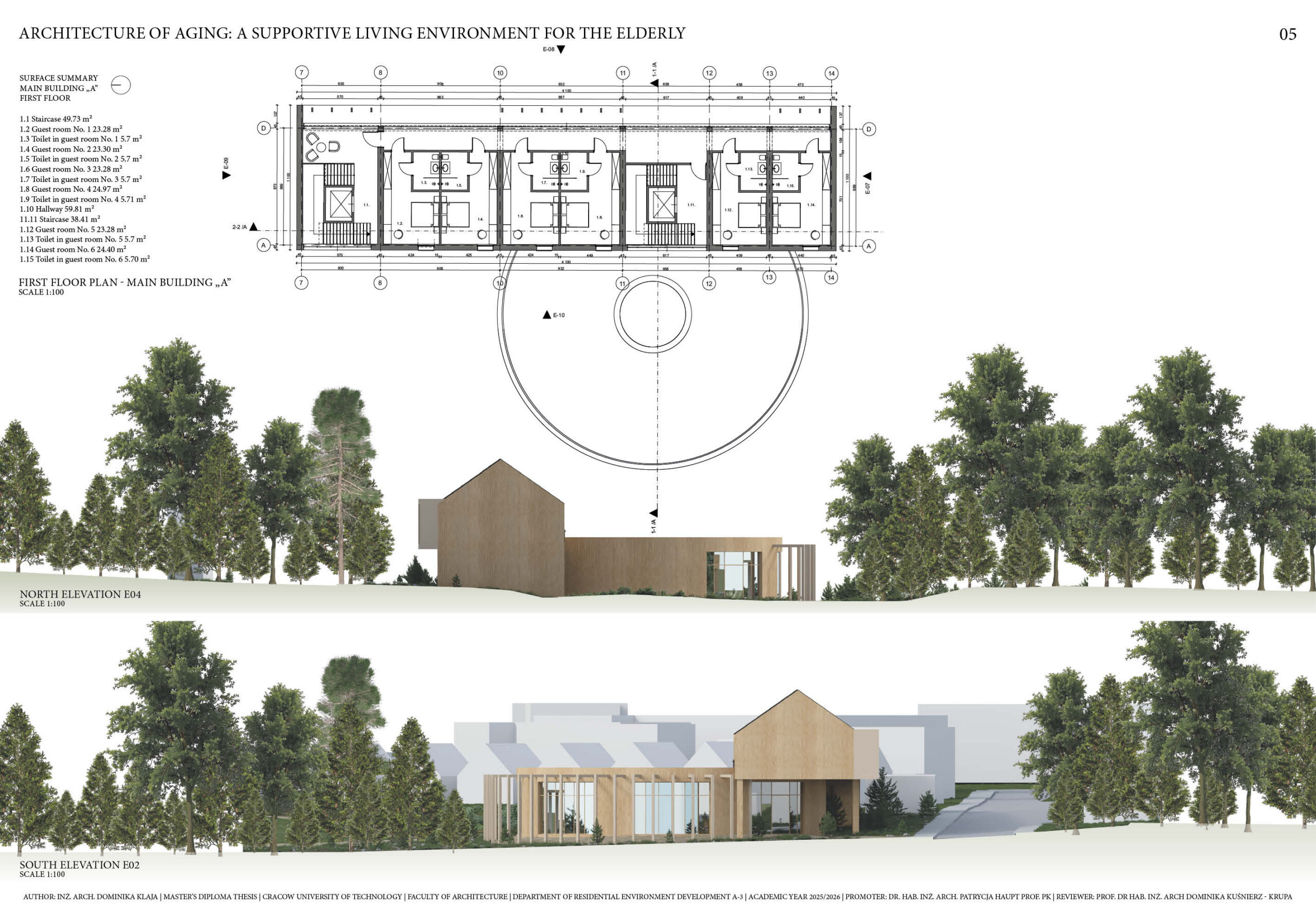
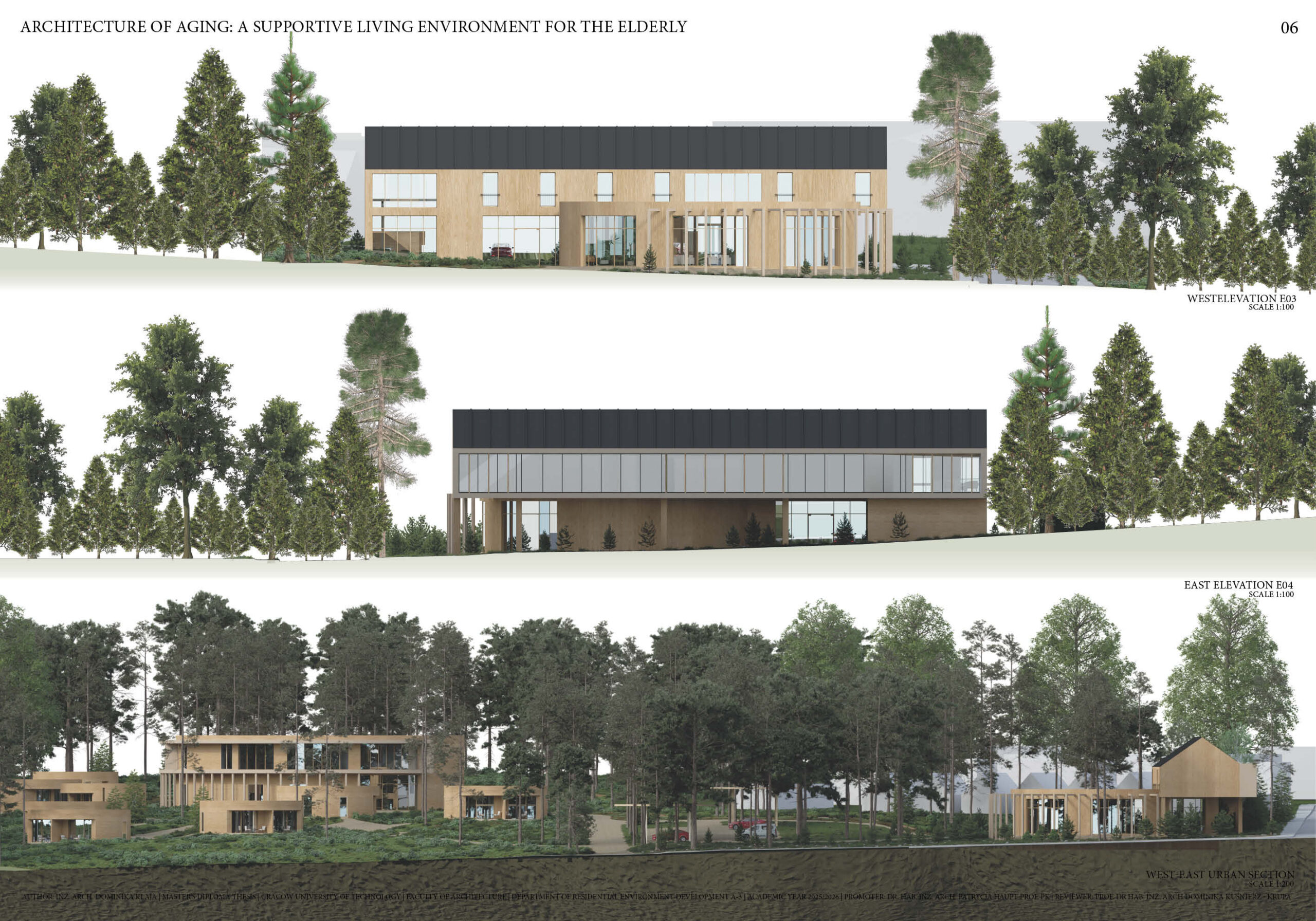
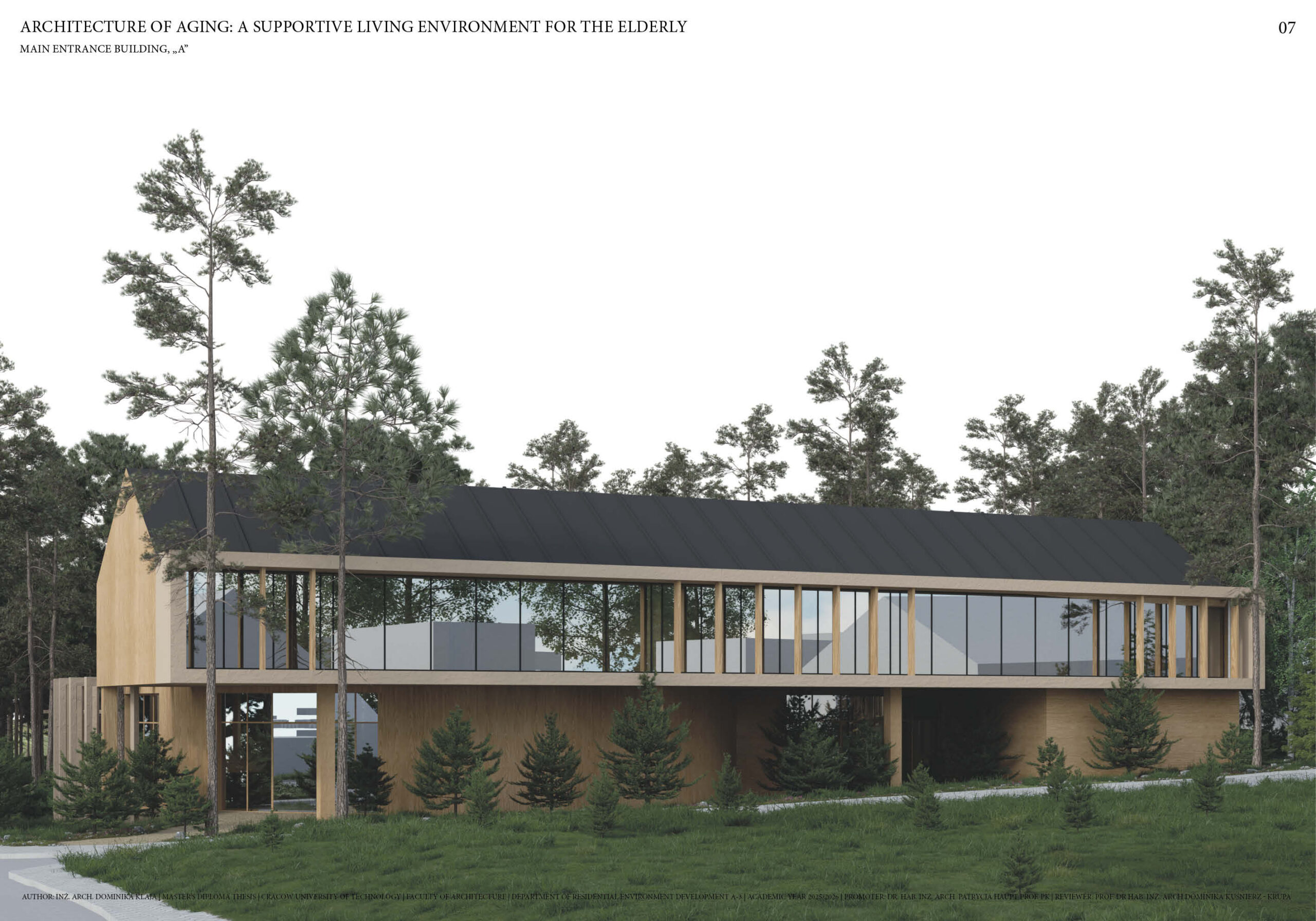
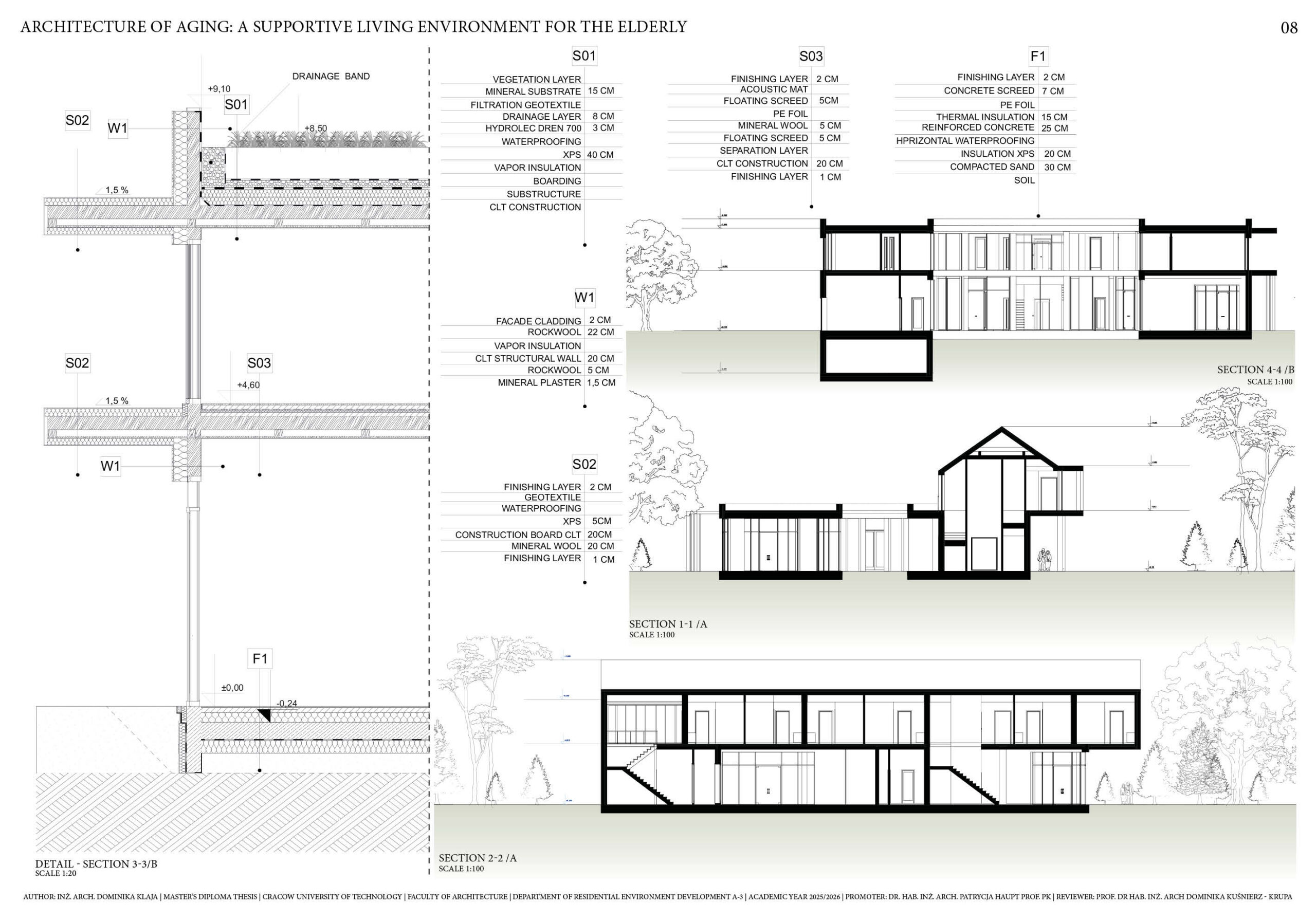
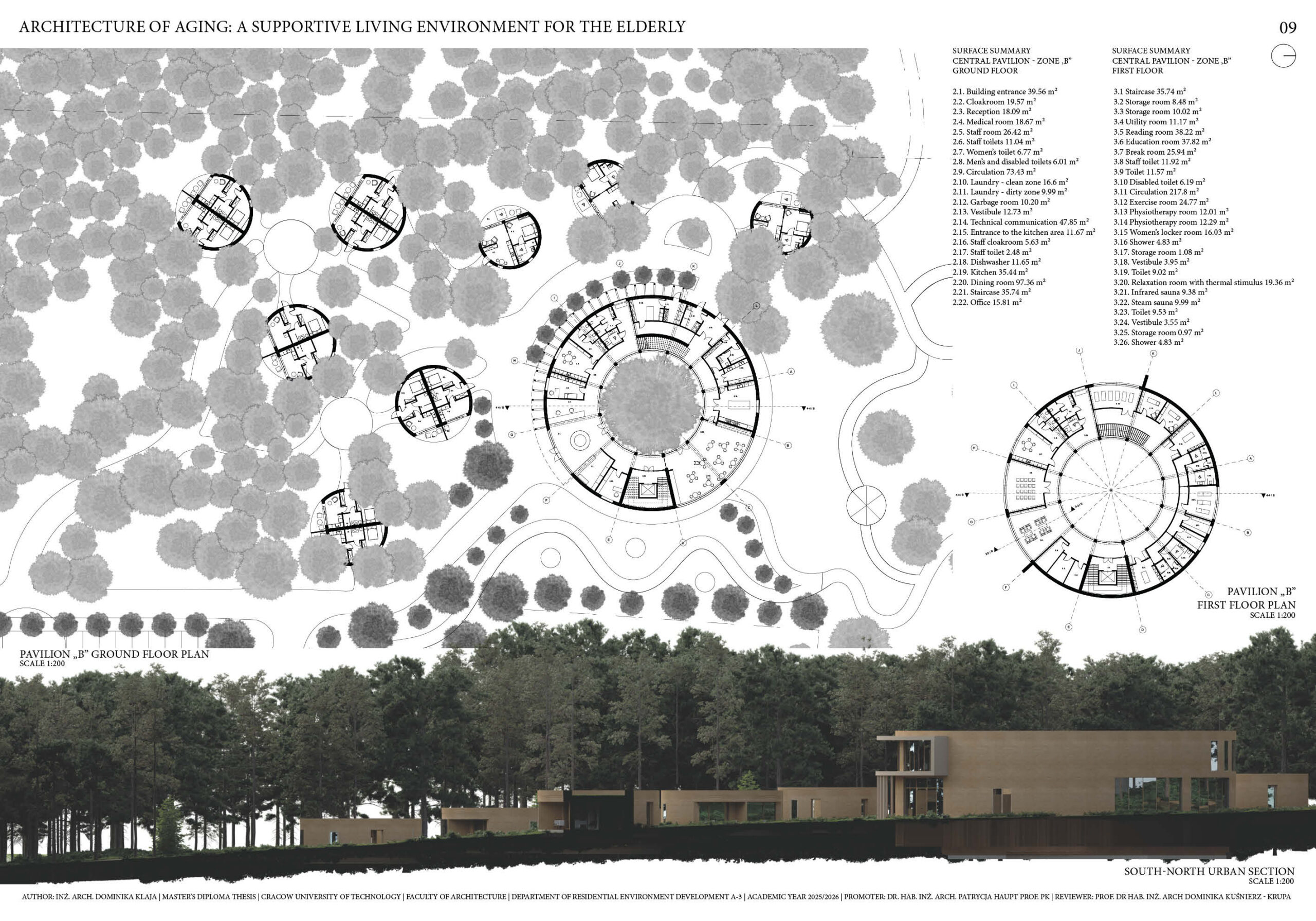
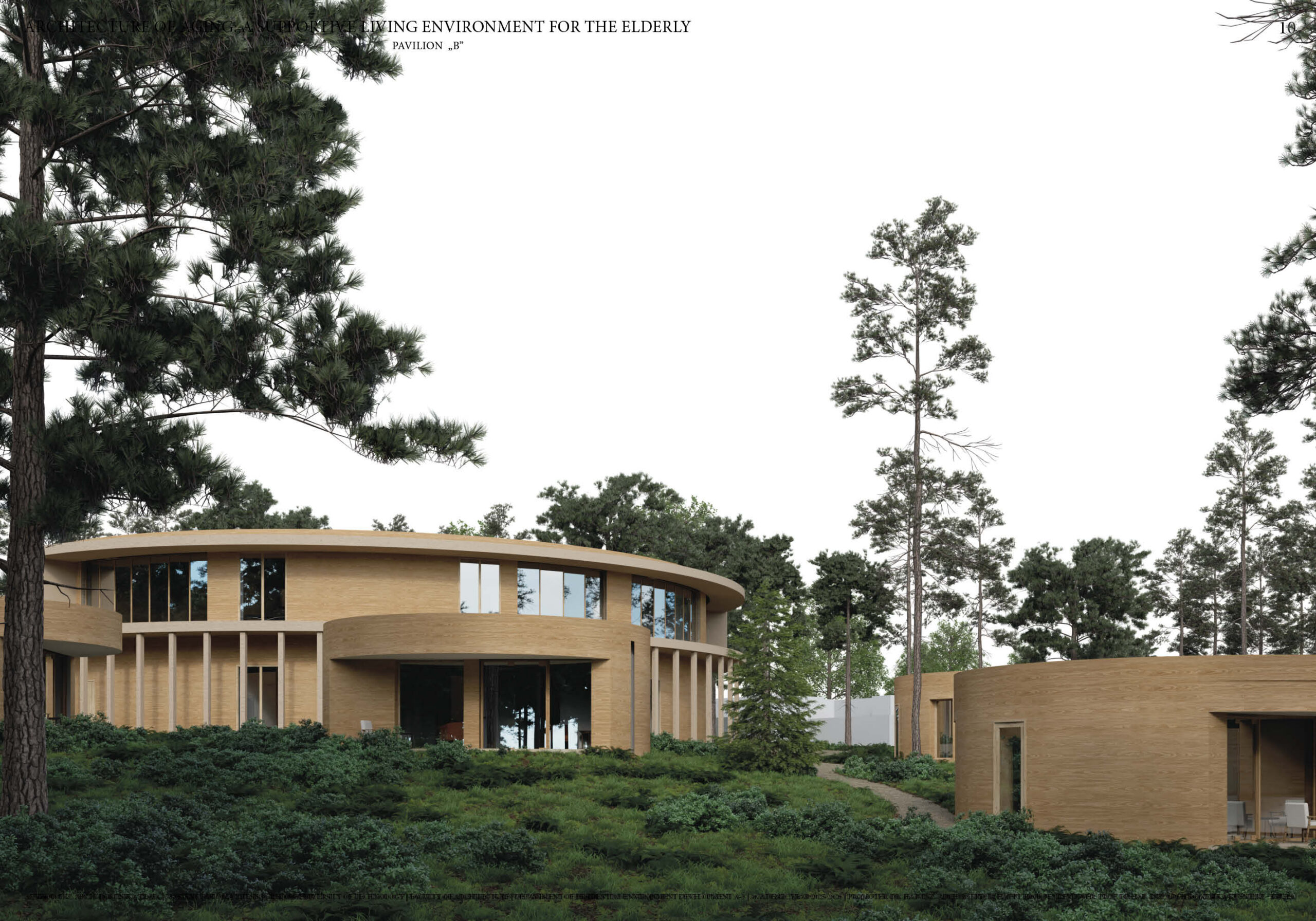
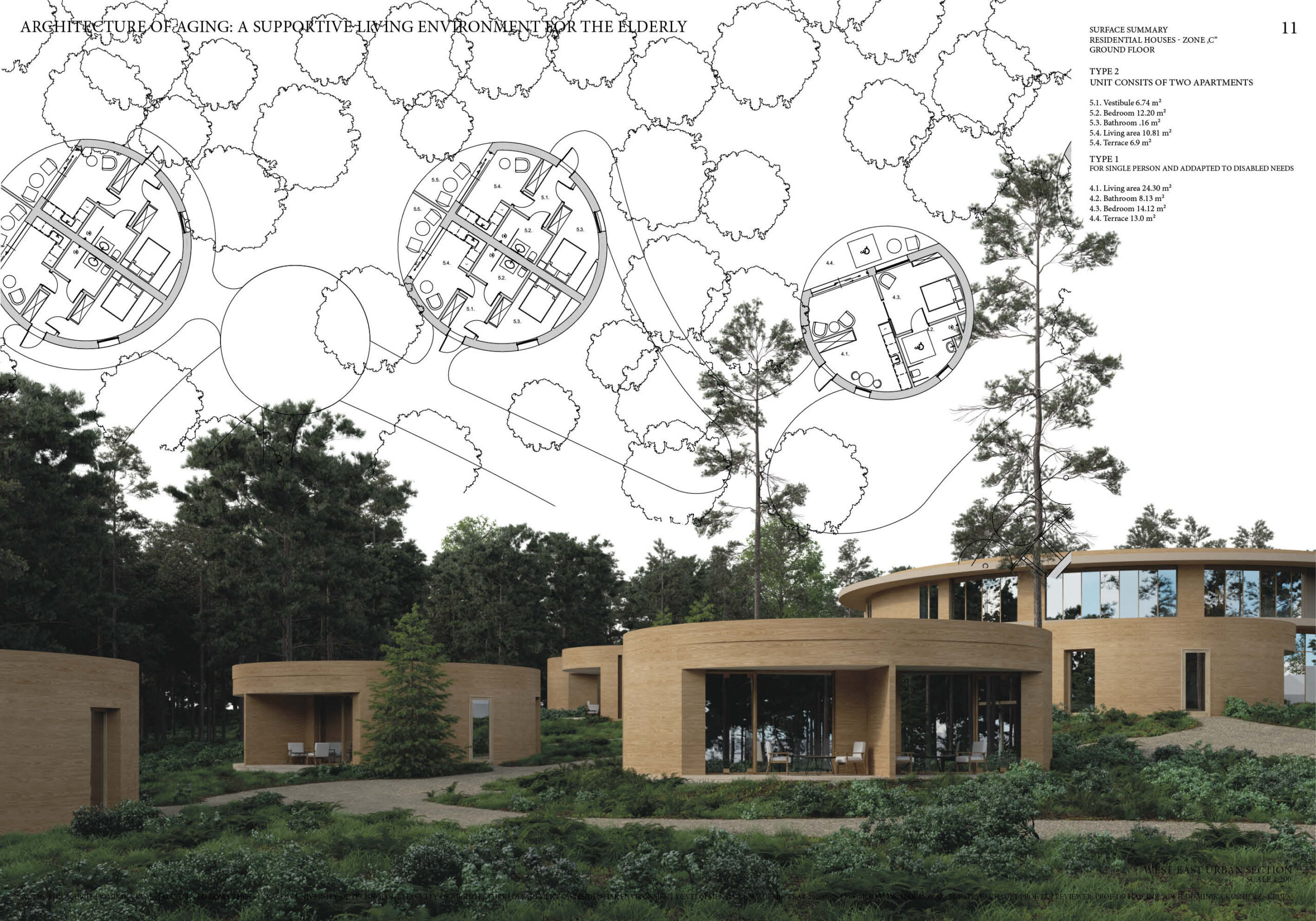
This master’s thesis addresses the issue of architecture dedicated to older people in the context of the ongoing aging process in society. There is a visible increase in demand for alternative long-term care. The project is based on the analysis and development of an architectural concept for a retirement facility with 24-hour medical care, understood as an environment supporting comfort, safety, and the quality of life of seniors. The aim of the master’s work is to respond to the task of designing architecture for the elderly in the context of an aging population and the necessity to introduce an alternative type of housing that would not be a traditional-institutional type of care facility. Specific attention has been paid to the requirements for seniors concerning privacy, clarity of space, nature contact, and social relations. The design part of this thesis presents an architectural design for a nursing home in the Polish seaside resort town of Jarosławiec. The location was selected because of the value of its landscapes and climatic conditions, as well as the coastal environment’s therapeutic potential. The design is based on the specifics of the site and topography, along with the relationship that the facility should maintain with the surrounding greenery, in order to provide a space that would allow for tranquility, day-to-day activity and contact with nature. The functional and spatial concept enables providing basic medical care and employees’ support without dominating the functions characteristic for medical facilities. The main goal of this project is to create a living environment enabling seniors to live with a sense of autonomy and dignity, while at the same time offering them the basic life supports. The purpose of the work is to prove that a well-designed retirement home can be a safe and welcoming residence and serves as a „second home” that satisfies the needs of older people in terms of both physical and emotional comfort.